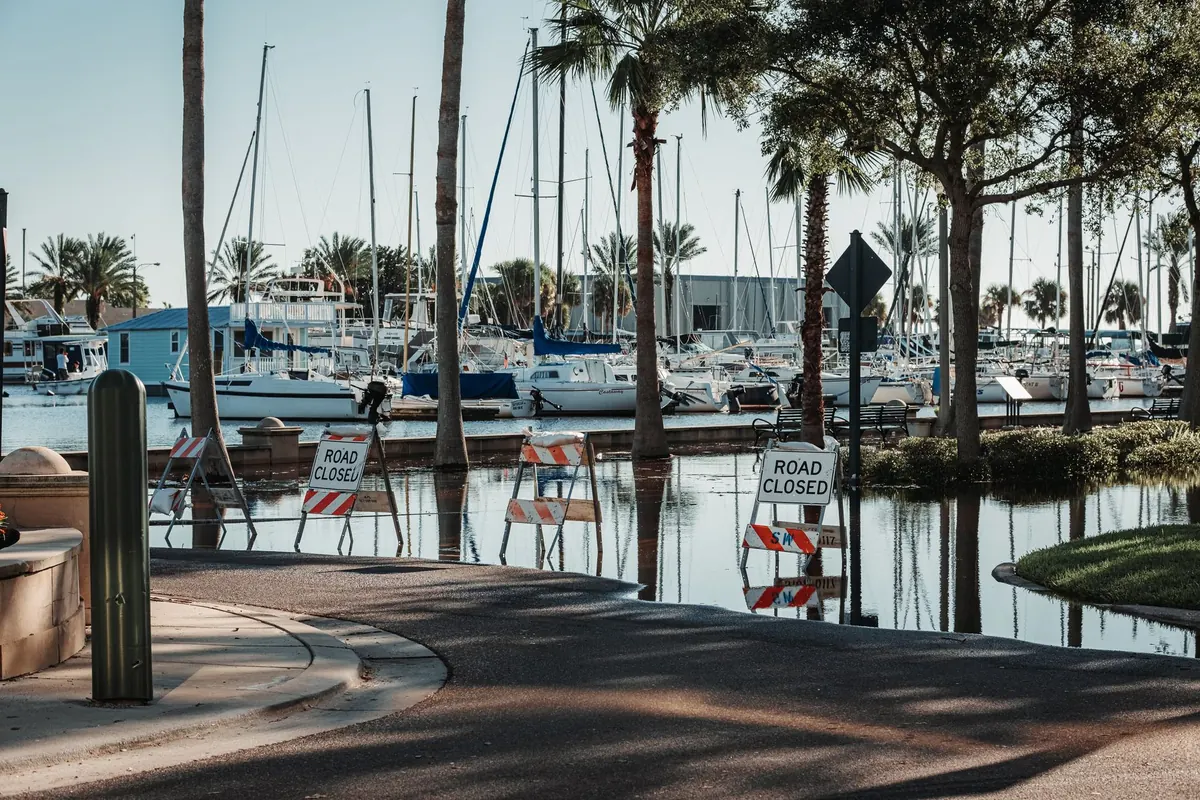
The Severn rarely needs a dramatic storm to cause trouble. A slow, wet week in the Welsh hills can push the river up past the levels that matter, and the water often reaches low-lying streets in Shrewsbury, Ironbridge, Bewdley and Worcester while people are still deciding whether it is worth moving the sofa. The gap between a disrupted morning and a ruined ground floor is usually a couple of hours of preparation. Below is a 12-point checklist for households and businesses, split into what to do before, during and after a flood warning.
Alert, warning, or something worse
The words matter, and they are not interchangeable. A flood alert means flooding is possible and you should be prepared. A flood warning means flooding is expected and you should act. A severe flood warning means there is a danger to life, and your priority is people, not property.
In England, warnings come from the Environment Agency; in Wales, from Natural Resources Wales. Both offer free messages by phone, text or email, and both publish flood risk maps you can check by postcode. Sign up before you need it. A warning you receive at 6am is worth far more than one you read about at noon.
Before the water arrives
- 1. Learn your own flood history. Ask neighbours who have lived on the street longer than you. Which way does the water come in? How deep has it been? How long before it drains? Two minutes of that conversation can tell you more than any map.
- 2. Move the irreplaceable things up now. Passports, birth certificates, insurance documents, photographs, laptops, spare medication, jewellery. A sealed plastic box on a high shelf costs very little and saves the arguments later. Do it when the sun is shining, not when the water is at the door.
- 3. Find out how to shut off your utilities. Locate the water stopcock, the gas isolation valve and the fuse box, and keep a torch beside them. Photograph your meter readings and the condition of each room. Insurers prefer a record made before anything happens.
- 4. Build a grab bag. Keep it somewhere you can reach in the dark.
- Torch and spare batteries
- Phone charger and a charged power bank
- Any prescription medicines, plus a written list of them
- Warm layers, waterproofs and wellington boots
- Bottled water and a few snacks
- Copies of key documents, sealed in a plastic wallet
- Pet food, a lead and a carrier if you have animals
- Nappies, formula or anything else a baby in the house needs
5. Sort out vehicles, access and stock. Park on high ground if you can, and know now where the car goes if the usual route floods. If you run a business, think about stock, paper records, deliveries and who on the team can get in. Move what you can onto pallets or upper floors while you still have time and dry hands.
When the warning comes
- 6. Move things up, not just out. Rugs, furniture, electricals, boxes from the floor and the bottom shelf. Anything you cannot lift, photograph. If you have a cellar, empty it or accept that you may lose what is in it.
- 7. Protect doorways and airbricks. Flood boards, sandbags and sealed vents all help, but treat sandbags as a way of slowing water rather than stopping it. They buy you minutes, not a dry carpet.
- 8. Charge and fill. Phones, power banks and torches on charge. Fill containers with drinking water, and if your supply might be interrupted, run a bath for flushing. A battery radio is still the most reliable way to hear updates if the power goes.
- 9. Check on people, not just property. Knock on the door of anyone older, living alone, or managing a disability, and make sure they know what is happening. Move pets and livestock early. Animals are calmer and easier to handle before the water is moving fast.
If you decide to leave
- 10. Go early, and tell someone where. Turn off gas and electricity at the mains if you are advised to and can reach them safely. Take medication, documents, chargers, keys and pet supplies. Text a friend or relative your destination so someone knows. Never drive or walk through floodwater: moving water is far more powerful than it looks, and it hides missing drain covers, kerbs and open manholes.
- 11. Stay out until you are told it is safe. Do not return to look, to film, or to start clearing while water is still moving nearby. Floodwater is not clean water, and children and pets should be kept well away from it.
After the water goes down
- 12. Photograph everything before you touch it. Walls, floors, furniture, stock, serial numbers, watermarks showing how high it reached. Then call your insurer before you start throwing things away. Keep receipts for anything you spend on emergency repairs, drying or accommodation.
When you do start clearing, wear gloves and boots, wash your hands often, and assume anything the water touched is contaminated. Discard food that came into contact with floodwater, along with anything that sat too long in a fridge or freezer without power. Do not switch electricity back on until a qualified electrician has checked the wiring and sockets, and have gas appliances and boilers inspected before you use them. If you rent, tell your landlord in writing and keep a copy.
For anything involving insurance claims, tenancy rights or building damage, speak to your insurer, landlord or a qualified professional rather than relying on a neighbour's experience, however helpful it was.
Make it a habit, not a scramble
Print this list and put it somewhere you will actually see it — inside a kitchen cupboard door, on the fridge, in the office. Walk the route to high ground once so nobody is guessing in the dark. Agree who does what: who grabs the documents, who knocks on the neighbour's door, who deals with the dog.
Then run through it once a year, ideally in early autumn before the wet months settle in. Twenty minutes now is the cheapest flood protection you will ever buy. Keep an eye on our weather coverage as river levels climb, and take the alerts seriously when they land — the Severn is a beautiful river, but it does not negotiate.
Photo: Connor Scott McManus / Pexels