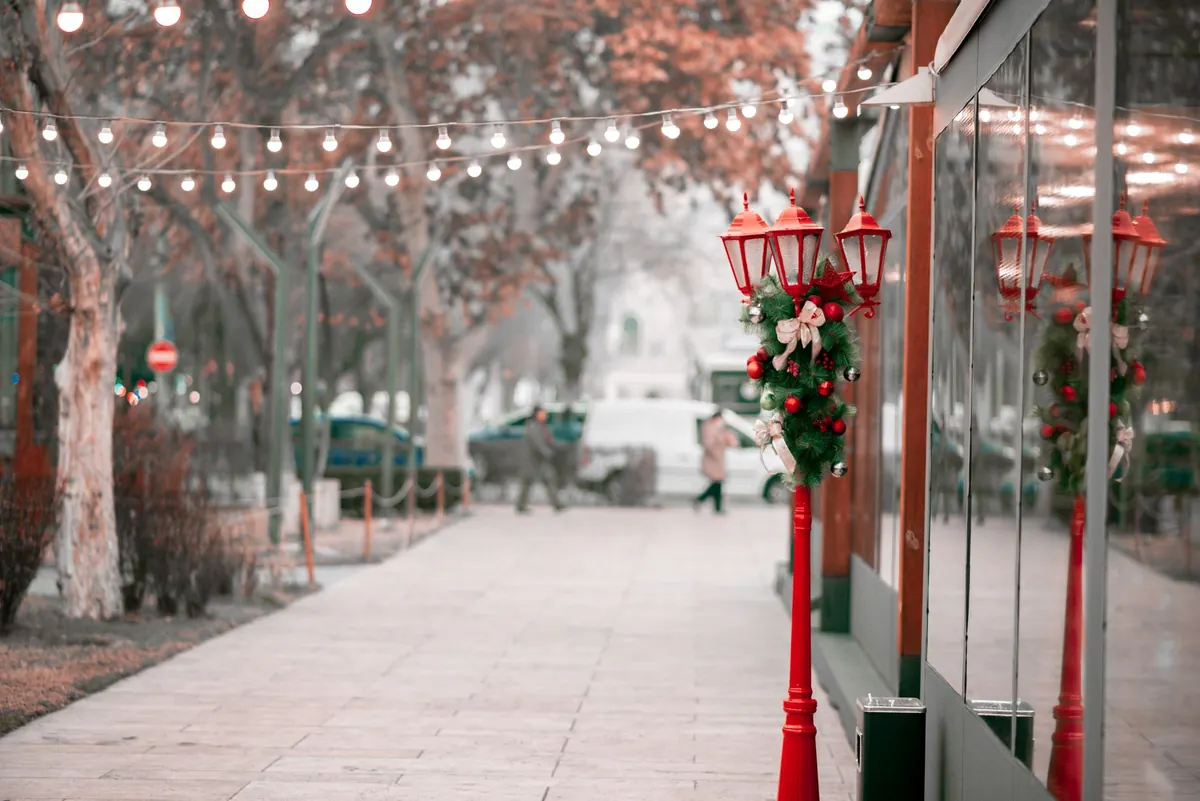
There is a particular kind of December afternoon when Severn's high street stops feeling like a shopping trip and starts feeling like a conversation. The person behind the counter remembers what you bought last year. Someone is wrapping a present badly but with real care. The queue is short enough that you end up talking about the choir, the roadworks, the weather coming in off the river.
That atmosphere isn't free. It exists because enough people choose to spend money in the same few streets, year after year. Supporting those shops doesn't require guilt or a spreadsheet. It requires a little planning, a few phone calls, and knowing where to look. Here's how to do your holiday shopping locally without wasting an afternoon on locked doors.
Start by being honest about what you're looking at. Some shops on Severn's main streets are branches of national chains. Others are the only one of their kind anywhere. The difference matters if your aim is to keep money moving through the local economy.
Most of the time you can tell within ten seconds. Chains look identical in every town: same window graphics, same seasonal promotion, same till receipts. Independents usually carry a mix you couldn't predict — local honey next to imported olive oil, a small run of pottery from someone two villages over, books chosen by a person with opinions.
One complication worth knowing: some shops are franchises. They may be owned by someone local who pays a national brand for the name and the stock. That's still a local owner paying local rates, so it isn't a reason to walk away — but if supporting independent makers is your priority, ask. Most owners will tell you plainly.
Many of us have a version of this habit: we drive twenty minutes to a retail park to buy something that was sitting on a shelf five minutes from home. Reversing it is mostly about noticing what's already nearby.
Walk one street you usually skip. Side streets, arcades, courtyards, market halls and the upper floors of older buildings often hold the shops with the most character — a repairer, a fabric shop, a tiny gallery, a bakery that sells out by eleven. Then widen slightly. Garden centres, farm shops and delis on the edge of town are often independent too, and they're rarely as crowded as the main streets in mid-December.
If you're not sure what a shop sells, go in and ask. It sounds obvious, but plenty of people hover outside reading a window display rather than stepping through the door.
A common mistake is writing a list of presents first and then hunting for each one. Flip it. Spend forty minutes walking and note what each shop does well, then match people to shops rather than the other way around. The aunt who reads gets the bookshop. The friend who cooks gets the deli. The neighbour with a draughty front room gets the wool shop. You'll buy better presents and make fewer trips.
The most useful question you can ask in a small shop is: can you order it in? Most independents work with suppliers and can get a size, colour or title within days. Ask when it would arrive and whether you'd need to collect it. In December, lead times stretch, so ask early rather than on the twenty-second. If you're buying a gift card, check the terms and any expiry date before you pay, and if you're unsure about your rights, ask the shop or a consumer advice service.
Where Severn's late-night shopping happens, it tends to cluster around the Christmas light switch-on, market evenings and the weekends nearest the school holidays. Ask a shopkeeper which evening their street is doing. Dates often travel by word of mouth and by handwritten signs in windows long before they reach any official listing.
A few things make those evenings better. Arrive early if you want to eat, because small kitchens fill fast. Do your serious buying in daylight and use the evening for browsing, small gifts and the things you'd otherwise forget. Take some cash for stalls, raffles and collection tins; not every temporary seller has a card machine.
And don't assume every shop stays open late. For a business run by one or two people, three extra hours on a cold Thursday is a real cost, paid in tiredness the next morning. Some will open, some won't, and both are reasonable.
Opening hours are the single biggest reason local shopping trips fail. Search listings and older websites go stale quickly. A shop that closed at four last winter might close at three this year.
If you turn up and the door is locked, read the sign in the window. Most small shops list their hours there because they know people rely on it.
Money is only part of it. A review that names what you bought and why is worth more to a small shop than a vague five stars. Sharing a post takes four seconds. Showing up on a quiet Tuesday instead of a frantic Saturday helps more than you'd think.
Be patient with queues; there is no back office and no second till. Don't haggle with someone who set the price themselves. Tell them what you'd like them to stock — that's genuinely useful information. And if you're spending more than you planned, set a limit before you leave the house; festive generosity shouldn't turn into a January problem.
Block out two hours this week. Spend twenty minutes walking and noting shops. Buy one thing in each of three of them. Ask one question about ordering in. Finish with a coffee somewhere local rather than heading straight home. Write down what you bought so you don't duplicate it next weekend.
Then do the same in the days between Christmas and New Year if you can, when shops are quiet and owners have time to talk. A shop that gets through January is a shop that opens again in February — and the streets that make Severn worth living in are built one ordinary transaction at a time.
Photo: Grish Petrosyan / Pexels