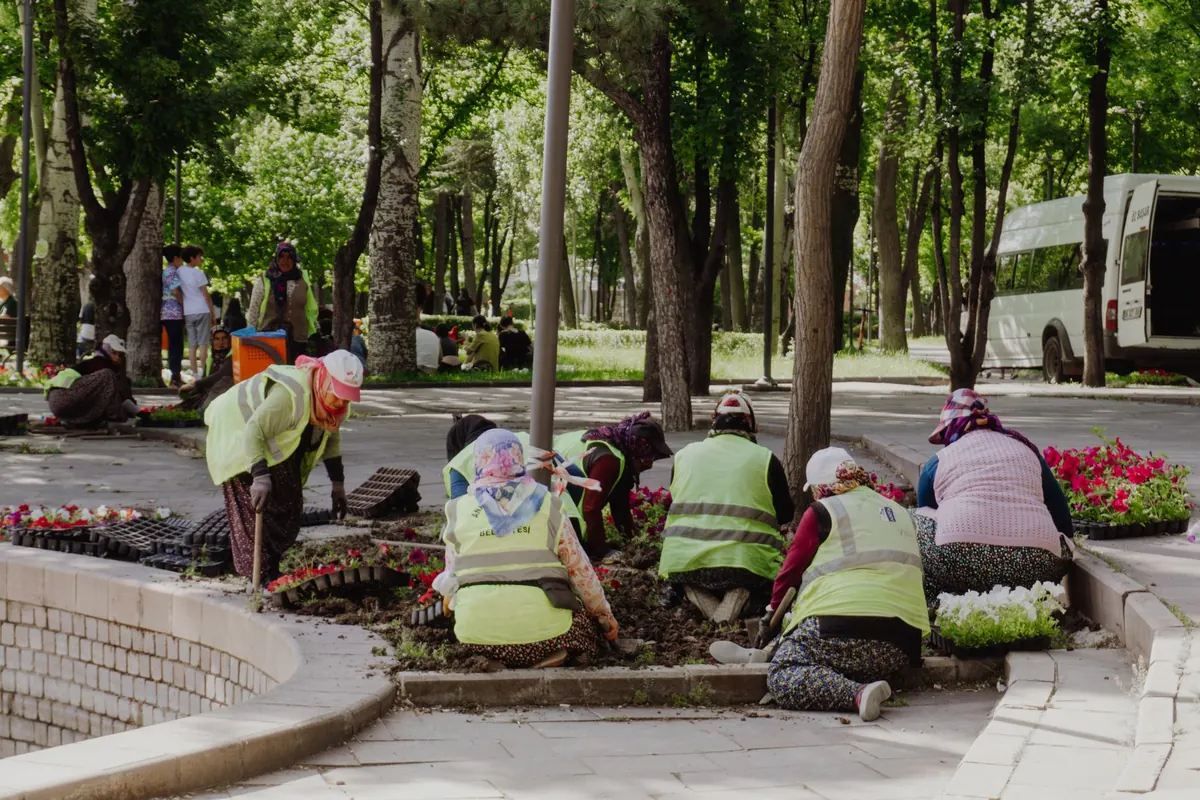
There are two kinds of people on a Severn community garden waiting list: those who want a plot tomorrow, and those who forgot they signed up three years ago. Both eventually get the same letter. In the meantime, most sites in the area are far more open than newcomers expect — volunteer mornings, shared sheds, half plots that never quite reach the public list, and a great deal of free advice from people who have already killed their share of courgettes.
Community gardens and allotment sites around the Severn are run by a patchwork of organisations: parish councils, allotment associations, church trusts, housing associations and occasional private landowners. The first job is finding out who actually holds the list for the site nearest you. Notice boards at the gate, the parish clerk, the local library and neighbourhood groups will usually point you to the right person.
When you make contact, give more than your name. Say whether you would accept a half plot, whether you can take on something overgrown, and how quickly you could start. Waiting lists move in strange ways: a plot nobody wants sits empty for a year, then a new member arrives who is happy to clear brambles and gets it within a fortnight. Ask how many people are ahead of you, and ask to be contacted if a plot becomes free at short notice. Confirm your interest once a year. Lists get pruned hard when people move away or stop replying.
A half plot — often five rods or so — is plenty for a household that wants salad, beans, potatoes and a few soft fruit bushes. A full plot is a serious commitment, especially if the previous tenant left it in grass and creeping buttercup. Ask to walk the plot before you accept it, and ask what the water supply is like, how far the nearest standpipe sits, and whether there is a shed or fruit cage included in the tenancy.
Expect a few hours a week through the growing season and very little in December and January. A well-kept half plot with raised beds is manageable alongside a job. A neglected full plot is a summer of digging. There is no shame in starting small and moving up later; most committees are delighted when someone does.
Most sites keep a communal shed: spades, forks, hoes, rakes, a couple of wheelbarrows, watering cans, sometimes a strimmer or mower. Treat it as a shared kitchen rather than a free shop. Return tools clean, don't leave a barrow parked across a path, and report breakages so someone can fix them before the next person needs them.
Worth bringing on day one:
You do not need a plot to turn up on a volunteer morning. Most sites run them monthly or seasonally: clearing paths, cutting hedges, repairing fences, filling water butts, turning compost bays, sorting the communal fruit trees. Bring your own gloves, arrive when the gate opens, and expect tea.
This is the most underrated route into a garden. Committees notice who turns up. When a plot is handed back quietly, it is often offered first to the person who has spent a year helping with the hedge. You also learn the site's quirks — which corner floods, where the good soil is, which neighbour will lend you a rotavator — long before you have to make those decisions yourself. If the site runs a stall or an open day, volunteering for an hour or two does the same job.
New members often try to do everything at once. A gentler approach:
Every tenancy agreement is different, but most cover the same ground: annual rent, notice periods, limits on sheds and polytunnels, bonfire and water restrictions, and a requirement to keep your plot cultivated and your paths clear. Read it before you sign, and ask the secretary if anything is unclear. Rent is usually modest, though it varies from site to site, and there is normally a small discount for pensioners or unwaged members. If your circumstances change, tell the committee early — most would rather help you keep the plot than see it abandoned.
Two unwritten rules matter more than the written ones. Don't take fruit or produce from a neighbour's plot without asking, and don't let seeding weeds blow across the boundary. If you need advice on a tenancy document or a dispute, speak to the site association first and take proper legal advice where money or long leases are involved.
Your first season is less about harvest and more about learning the site: where the sun sits, where the water is, who knows the most and who will happily show you. Turn up, do a bit, ask questions, and the rest follows. The beans, eventually, take care of themselves.
Photo: Berna / Pexels